Empowerment vs Communication
 James MacLeod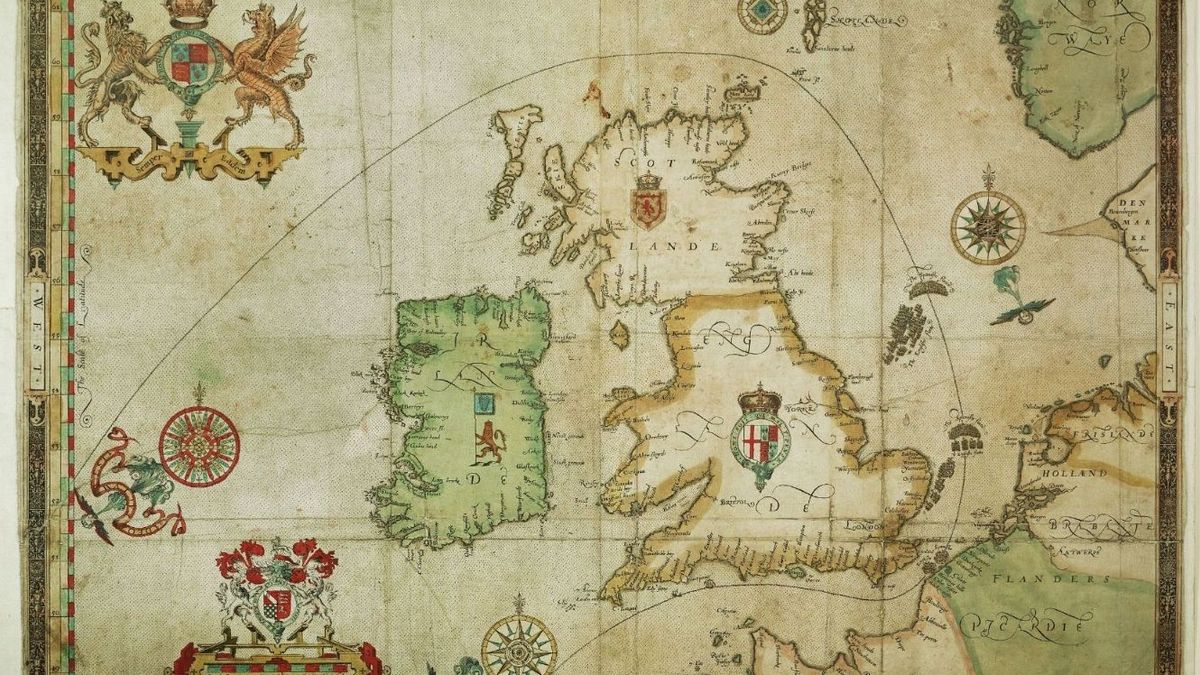
There was a conflict in the late 16th early 17th century called the Anglo-Spanish Wars between Spain and England, but also sorta the Netherlands. Anyway, the two key leaders of the conflict were opposing monarchs with very different styles leading blossoming empires with very different war-fighting styles.
Communication is key to success in most every situation, particularly war. However, comms across long distances before the rise of even the telegraph were obviously difficult. A strict hierarchy with stricter orders were how Phillip II operated. He knew he was going to win. Hell, the Pope had even let the Catholic king collect Crusade Taxes (England was at this point protestant because ole' Henry VIII wanted a son). It was God's Will of course. The Spanish Fleet, the Spanish Armada, was battle-tested, well-equipped, and professional. Their ships were better fortified with higher sides and more guns (although in fairness they had fewer ships than the English did) and they had a shit tonne more men. Nearly four times as many.
Elizabeth I was different. She had challenges at home and had done for a long time. This all meant her position was far from comfortable. Being a woman didn't help. Her "fleet" was a co-opted group of navy men and privateers all vying for dominance and esteem (when they weren't naughtily nautically plotting). A rigorous hierarchy and strict orders were not such an easy thing to apply to this fleet. Not only that, but they couldn't fight the same way the Spanish did and win. They couldn't close and board and guarantee a win.
So looking at it simply, the Spanish knew they would win, and the English were not at all confident in winning by traditional means.
So they decided on gunnery and manoeuvre as their primary tool for advantage. This would prove to be the right choice because they were a group of leaders not so used to being led. Too many chefs and all that. A manoeuvre based strategy better allowed them to operate in independent squadrons. This strategy was championed in particular by Sir Frances Drake. He understood the need for a different approach and that English success in the channel depended on navigation, sailing ability, and gunnery.
Bear in mind now that the Spanish were set. They would win and so the orders written at the start of the conflict were the right ones. The commanders didn't need to make decisions and so were not really allowed to.
The English were different. Due to the political landscape, the leaders of the English fleet had a lot of power to react to the situation on the water far more readily than their counterparts in the Armada. And guess what, it helped.
One example of this empowerment in action was the raid Drake launched on Cadiz in 1587 that delayed the launch of the Armada by a year.
Another commander who took full advantage of the empowerment he’d been invested with was Sir Martin Frobisher. He’d been a pirat- uh, sorry, privateer prior to the war and was in command of a squadron of ships during the Armada. He would often manoeuvre his squadron independently depending on the tactical situation without waiting on top down orders from above.
The English won. Now, the massive storm sometimes called the Protestant Wind had a huge impact on this win, but there is little doubt that Elizabeth's headstrong, innovative commanders played their part. The English could react to the changing circumstance in the channel and North Sea whilst the Spaniards couldn't. They were too removed from the decision maker to be responsive. The communication lines were too long.
The English were, by design or not, empowered to operate as the tactical situation required and were therefore far more responsive and resilient in their battle.
Without empowerment, your teams rely on effective communication. Effective communication is challenging. Empowerment enables more effective decision making and teams who are more responsive to changing circumstances.
In today’s world, particularly in the tech and software space, a core component of the agile mindset and effective tool for success is empowerment. Empowerment is fast becoming best practice as it better ensures employee engagement and productivity. It allows teams to make tactical decisions based on what they see on the sea (well, the ground, but I had to get in another pun). Trust is critical, and more possible because it is unlikely anyone in the team is a privateer of the ocean. This empowerment removes a barrier that communication challenges create. However, those teams still need to understand the bigger picture, and that is where Aberyarn can help. One common challenge in most organisations is the inefficiency of top down communication. So whilst empowerment is fast becoming the norm, and is something you can work toward, intra-level communication needs tools and training.
Also look up the "Protestant Wind". Arguably this was England's greatest ally during the conflict.