Recognition and Collaboration
 James Lord-McIntosh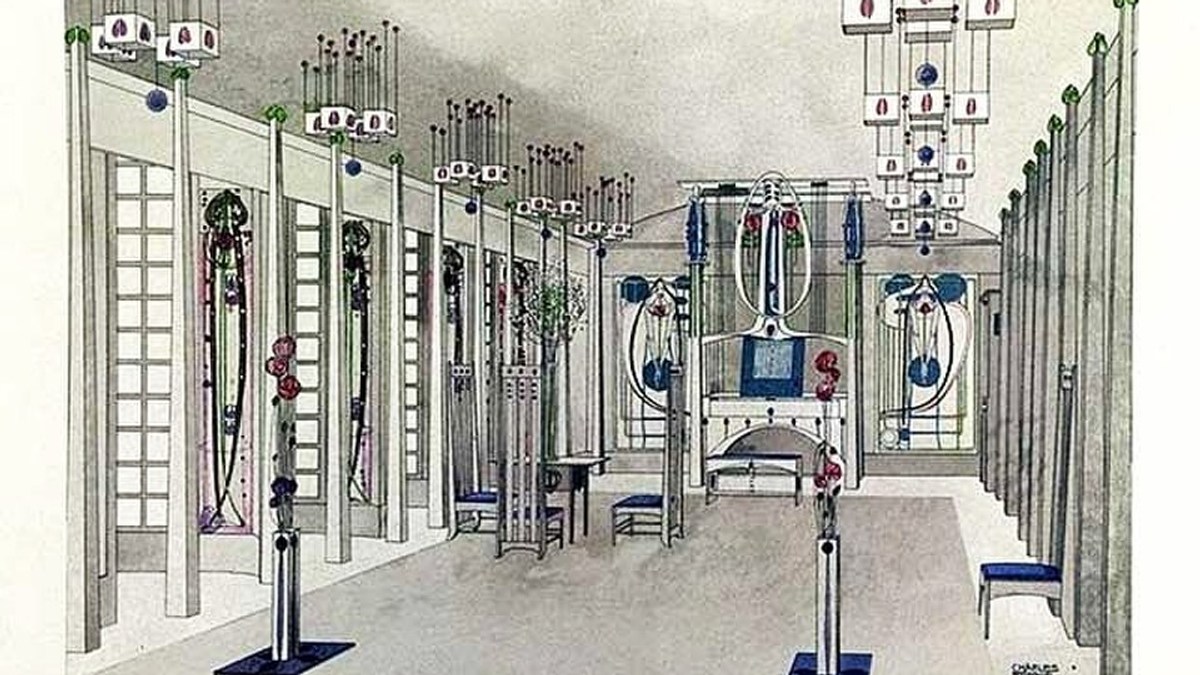
Charles Rennie Mackintosh is a Scottish designer probably best known for his stunning architecture, all of which was created in quite a short period between 1895 and 1906. His closest collaborator was his wife, Margaret Macdonald, a fellow artist whom he met at the Glasgow School of Art. Now, there are plenty of places you can learn more about their stories, so I will cut straight to the chase.
It is almost impossible to tell which parts of their collaborative work came from Charles and what came from Margaret; however, Charles wrote to Margaret saying "Remember, you are half if not three-quarters of all my architectural talents." and reportedly said "Margaret has genius, I have only talent", he clearly gave her credit where credit was due and in their immediate circle Margaret was well respected.
However, with the wider public, as so often is the case with the work of wives of famous men, her contributions were overlooked and downplayed. Even her death was barely a footnote in the papers.
How much credit someone wants, and gets, depends on who they are, and just as much on whether the people around them are willing to give it. Margaret had it from Charles and their friends; the wider public took a century to catch up. That gap is worth taking seriously, because the research on recognition is striking.
A study cited by Harvard Business Review found employees who rated their managers as excellent at recognition were more than 40% more engaged than those who didn't. Separately, SurveyMonkey's research found that 82% of workers consider recognition an important part of their happiness at work and those who feel adequately recognised are far less likely to leave their jobs. With numbers like that, you have to wonder how differently things might have gone if Charles and Margaret had both been recognised for their work at the time, not just within their own circle, but publicly.
One of the best ways to identify areas where recognition would hold value to an individual is a technique called reflective recognition, which is as simple as a short chat with the individual in question. It could start with a question like "Is there a project or task you’ve completed that you feel especially satisfied with?" or even more simply "What do you want to be acknowledged for?". People have the tendency to downplay their achievements, so the next step is the key to really making this work. Dig into how they achieved what they did and what they learned. It is quite likely you'll even learn things even they themselves were unaware of. To cap it off you can just reflect back on what was shared with you and give them the credit they're due for their work.
Obviously mostly this will be relevant for leaders, although it can be a rewarding exercise with your colleagues too, particularly if you feel they are under appreciated. It is worth taking the recognition to the next level by sharing it with the appropriate parties in your own business (and potentially beyond). Margaret didn't get that. There's no reason your best people should have to wait a century for theirs.
References:
The Life, Times and Work of Charles Rennie Mackintosh - K. E. Sullivan
https://hbr.org/2022/10/a-better-way-to-recognize-your-employees
https://www.surveymonkey.com/curiosity/employee-recognition-and-retention/